
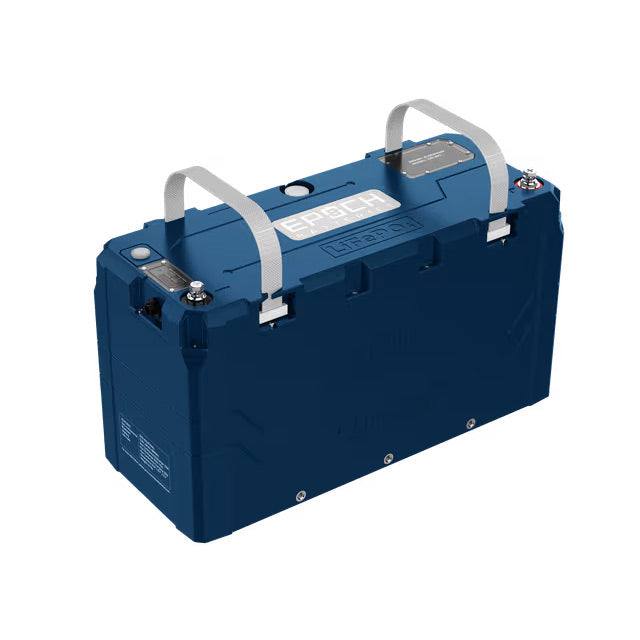
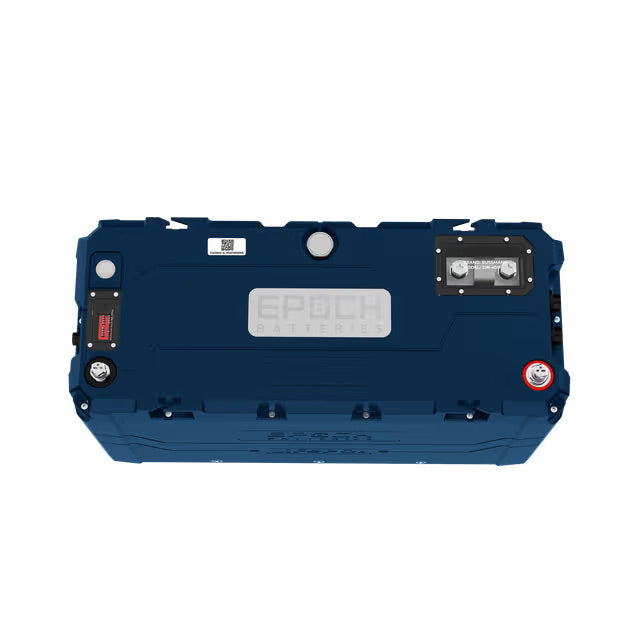
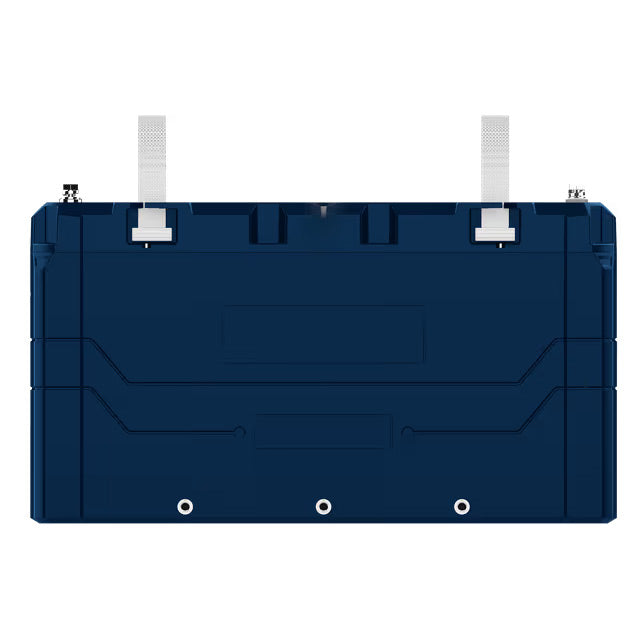
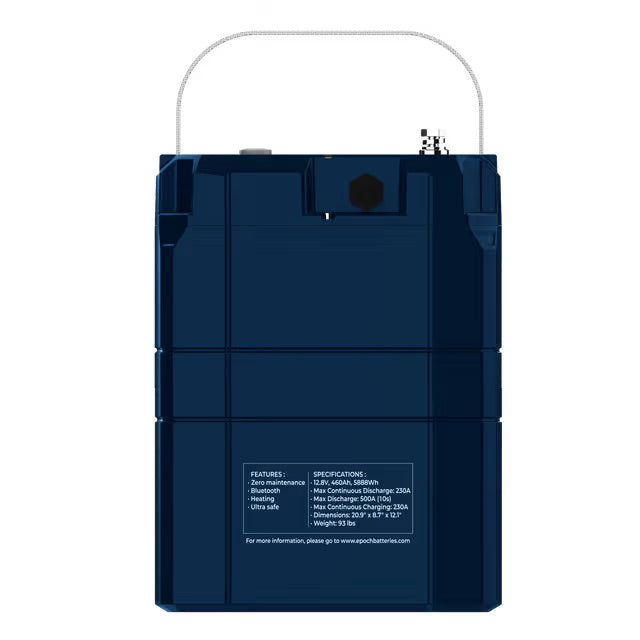
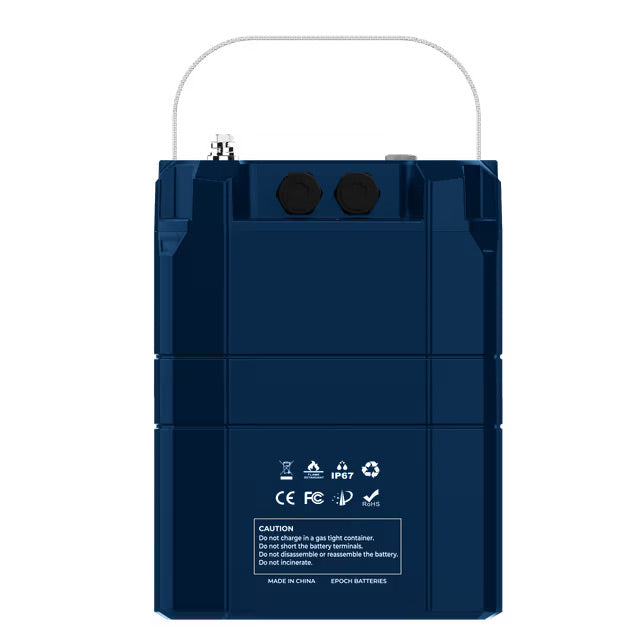


Description
- LiFePO4 Chemistry
- 460Ah Capacity
- 400A EATON Class T Fuse (User Serviceable)
- 230A Max Continuous Discharge (500A 30s Discharge)
- 230A Max Continuous Charge
- IP67 Rated, Dust and WATERPROOF
- HEATED - Internal heating for below 0C charging
- BLUETOOTH - iOS and Android Apps
- VICTRON Communications - Parallel up to 16 together on 1 system
- External Power Button & Battery Gauge INCLUDED
- Built-in Smart Battery Management System (BMS)
- Over charge and over discharge protection
- Over current and short circuit protection
- High & low temperature disconnects
- UL60691 Certified Internal Fuse
- UL1642, U9540A, IEC 62619:2022 Certified Cells
- UL1973 Certified Pack
- 4000+ Cycle life & Maintenance-free
- 11 Year Manufacturer Warranty
Specifications
Current
Storage Temp: 0°C (32°F) / 35°C (95°F)
Weights & Dimensions
Recommended Charging Settings
Exploring Deep Cycle Lithium Batteries
A deep cycle lithium battery is a type of rechargeable battery designed to deliver a steady amount of power over a long period. Unlike regular lithium batteries, which are designed for short bursts of energy (such as those in smartphones or laptops), a deep cycle lithium-ion battery can be discharged down to a low voltage without causing significant damage to its cells. This makes them ideal for applications that require sustained power output over extended periods. Deep cycle lithium-ion batteries are particularly suitable for applications like solar energy systems, marine vehicles, RVs, and electric vehicles (EVs), where a consistent and reliable power supply is essential.
Why Choose a Deep Cycle Lithium-Ion Battery?
- Longer Lifespan One of the most significant advantages of deep cycle lithium batteries is their extended lifespan. Unlike lead-acid batteries, which can last for 2-3 years, deep cycle lithium batteries typically last 10 years or more. This makes them a more cost-effective investment in the long run, even if the initial cost is higher. The ability to last longer means fewer replacements and a reduction in battery waste, making them a more sustainable choice.
- Faster Charging Times Deep cycle lithium-ion batteries charge much faster than traditional lead-acid batteries. A 12V lithium deep cycle battery can often be fully charged in a matter of hours, while lead-acid batteries can take much longer to recharge. The faster charging times of lithium batteries are particularly useful for applications like marine vehicles or RVs, where downtime can be minimized.
- Higher Efficiency Lithium-ion batteries are more efficient than lead-acid batteries. They can discharge a greater percentage of their total capacity, often up to 80-90%, compared to the 50% discharge limit of lead-acid batteries. This higher efficiency means that deep cycle lithium batteries provide more usable energy, making them ideal for long-term off-grid applications.
- Lightweight and Compact Lithium deep cycle batteries are significantly lighter and more compact than their lead-acid counterparts. This is especially important in applications where space and weight are critical factors, such as marine vehicles, RVs, and off-grid solar setups. A lithium-ion 12V deep cycle battery can provide the same or even greater energy capacity than a heavier, bulkier lead-acid battery, without taking up much space.
- Safety Features Lithium-ion batteries have built-in safety mechanisms to prevent overcharging, overheating, and deep discharging, which can damage the battery and pose safety risks. These safety features make deep cycle lithium batteries a safer choice for consumers compared to traditional lead-acid batteries, which can be more prone to failure or even fire under extreme conditions.
- Maintenance-Free Unlike lead-acid batteries, which require periodic maintenance (such as checking electrolyte levels and cleaning terminals), lithium deep cycle batteries are maintenance-free. This reduces the overall hassle and cost of maintaining your energy storage system.
Types of Deep Cycle Lithium Batteries
Deep cycle lithium batteries come in various configurations and sizes to meet the energy storage needs of different applications. Here are some of the most common types:
- 12V Lithium Deep Cycle Battery The 12V lithium deep cycle battery is one of the most common types used in marine, RV, and solar applications. It provides a compact and reliable energy solution, and many models are designed to be drop-in replacements for traditional lead-acid batteries. A 12V lithium ion deep cycle battery is highly efficient, long-lasting, and capable of deep discharges, making it perfect for use in off-grid systems.
- Lithium Deep Cycle 12V Battery The lithium deep cycle 12V battery is designed for similar applications as the 12V lithium deep cycle battery but is often built with slightly different specifications, such as higher discharge rates or enhanced thermal management. These batteries are often used in marine environments or for RVs, where consistent and reliable power is needed over extended periods.
- Deep Cycle 12V 100Ah For applications requiring a larger capacity, such as larger solar setups, RVs, or boats, the deep cycle 12V 100Ah battery is an excellent choice. With 100 amp-hours of capacity, this battery can provide enough energy to power appliances, lights, and other systems for extended periods. A 12V lithium deep cycle battery of this size is also lighter and more efficient than equivalent lead-acid batteries, making it a superior option for most off-grid users.
- Lithium Ion Marine Battery Marine applications, such as powering electric motors or onboard electronics, often require specialized batteries to withstand the harsh conditions of the open water. A lithium deep cycle marine battery is designed to provide reliable power for these types of applications. The lithium ion marine starting battery, for example, combines the benefits of a deep cycle battery with the ability to start a marine engine, ensuring that your vessel has both the power to start and the energy to operate efficiently during long journeys.
Applications of Deep Cycle Lithium Batteries
Deep cycle lithium-ion batteries are versatile and can be used in a wide variety of applications, including:
- Solar Energy Systems Lithium deep cycle batteries are often used in solar energy systems to store excess power generated during the day for use at night or during cloudy days. The high energy density and long lifespan of these batteries make them ideal for off-grid solar setups, reducing the need for frequent replacements.
- Marine Applications Lithium-ion deep cycle batteries are commonly used in boats, yachts, and other marine vehicles. These batteries provide a lightweight, reliable power source for onboard electronics, lights, and motors. The ability to withstand repeated deep discharges makes them an excellent choice for marine applications, where power needs can fluctuate.
- Recreational Vehicles (RVs) Many RV owners are making the switch to lithium deep cycle batteries to power their rigs during off-grid camping trips. These batteries provide a reliable and long-lasting power supply, making it easier for RV users to enjoy extended stays without worrying about running out of power.
- Electric Vehicles (EVs) Electric vehicles rely heavily on deep cycle lithium batteries to power their motors and charge their systems. These batteries provide high energy density, long lifespan, and fast charging times, making them the preferred option for electric car manufacturers.
- Backup Power Systems Whether it's for your home or business, a deep cycle lithium-ion battery can serve as a backup power source during power outages. These batteries provide a clean, efficient, and long-lasting energy reserve to keep essential systems running when the grid goes down.
Videos


